France travel safety: curfew advice for French cities
Travel
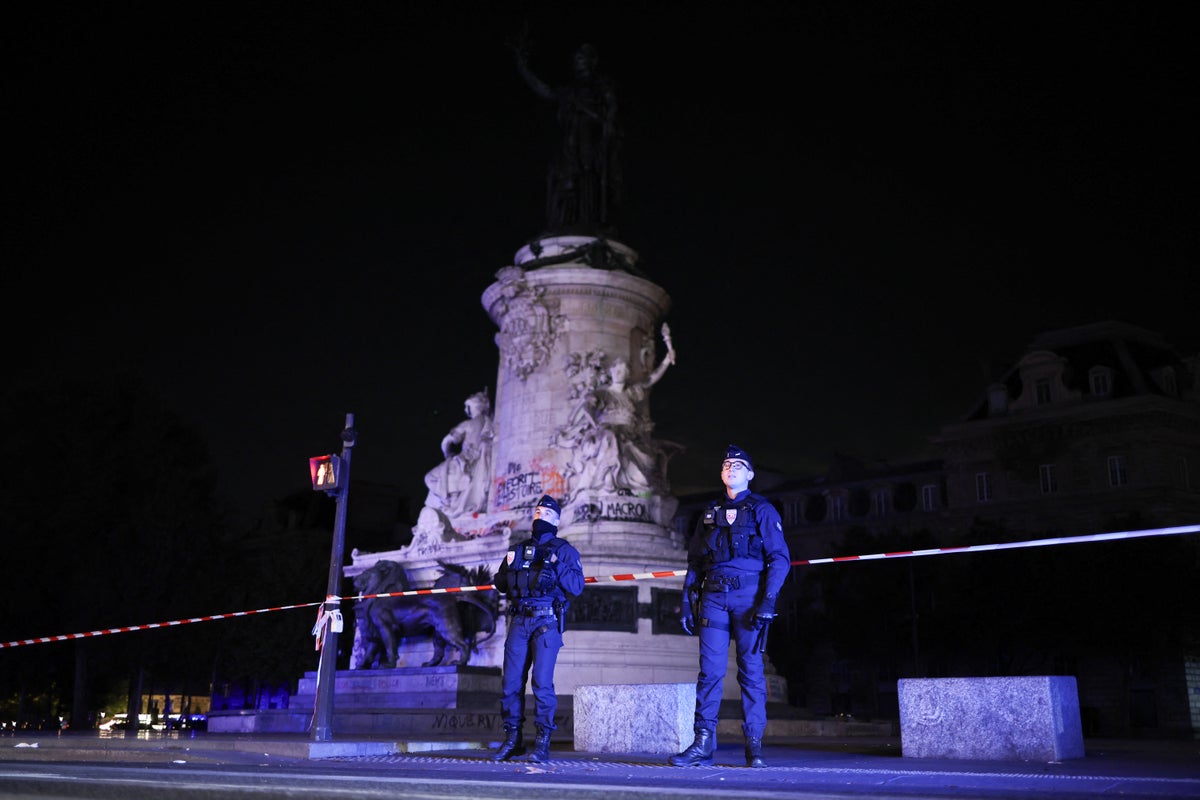
France has placed multiple cities under nighttime restrictions this week after a weekend of countrywide demonstrations that in some cases escalated into violence and destruction, resulting in over 2,400 detentions. On Monday evening, the French government ordered overnight curfews in parts of Paris, Nice, Lille and Marseille. Certain neighbourhoods in cities including Lyon and the capital kept the measures in force through Tuesday night. Police helicopters circled above central Paris while officers on the ground cordoned off sections of the city.
Officials Defend Curfew Measures
“These localised curfews are efficient,” prime minister Sebastien Lecornu told parliament on Tuesday. “They helped to restore calm last night.” Among the areas covered by the restrictions was Paris' Place de la République square, where cobblestones were torn up, the fountain defaced, kiosks set alight and shop windows broken over the weekend. Paris' police force said on Tuesday that “public peace was restored” in the locked-down zones and that the measures would continue “for as long as it proves necessary”. It remains unconfirmed when and where further curfews might be imposed this week. The UK's Foreign Office cautions that they could be announced at short notice and urges people to monitor local media for updates. Weekend Unrest Sweeps Cities
The weekend saw shops looted, buildings torched and streets ransacked during the violent disturbances. According to the Interior Ministry, close to half a million people marched on Saturday against the rising cost of living, with violent fringe groups exploiting the situation to set buildings ablaze, raid stores and attack police vehicles. Footage from Limoges showed flames consuming the 19th-century City Hall, bringing down its roof. Looting was reported at hundreds of businesses in Paris, Marseille, Lyon, Bordeaux, Rennes, Strasbourg, Grenoble, Nice and elsewhere. A protester in Paris died after going into cardiac arrest during a demonstration. In Lyon, demonstrators torched the tourism office and shattered its windows before attempting to stop firefighters from battling the flames. Across the country, riot officers were seen charging crowds with batons and deploying tear gas during clashes with protesters. The unrest started last month at high schools in Paris' suburbs over staffing shortages and poor facilities, then spread nationwide. The French government has maintained that outside agitators hijacked the protest movement and turned it into urban violence. On Saturday the movement gathered momentum as other groups joined to demonstrate against France's high cost of living, contending that the welfare system is deteriorating. Macron has appealed for calm, saying “we all feel anger and shame” after “unprecedented violence” nationwide. He pledged to “make examples if need be” of the rioters, warning that “those who want to spark violence and create unrest in our country, we will not yield”. Further Action Announced
Organisers in France have already announced an “Act II” demonstration for Saturday, 24 October. "The deployment next Saturday will be massive," prime minister Lecornu said, adding that the immediate priority was to restore order after rioting and looting swept Paris, Marseille, Lyon and other cities. Interior minister Laurent Nuñez said the military would be deployed alongside police. The UK's Foreign Office (FCDO) have warned British nationals that the French government said local curfews may be introduced at short notice. “To find out if you are in an affected area, check local media. Follow the instructions of local authorities,” the FCDO said. General advice on its safety and security page for the country says frequent industrial action, demonstrations, political gatherings, and marches can occur with little to no warning. “If you’re due to travel to or within France, monitor the media, check your operator’s advice and follow the advice of the authorities,” it says. “Whilst most demonstrations are peaceful, if you’re near areas where they are taking place, you should remain aware of what is happening around you and follow the advice of the police and local authorities.” Because the FCDO has not advised against non-essential travel to France, no special circumstances exist that would allow a trip to be cancelled for a full refund. Cancellation conditions rest with your holiday provider, so contacting them is the best step if you wish to postpone. Companies are under no obligation to refund bookings if you choose to cancel, and travel insurance will not cover safety concerns unless government advice changes. If you hold travel insurance, some policies include natural disaster cover for an event that prevents you from reaching your destination. Review your policies and speak to your insurer to establish your position.← Back to Travel